
Published March 19, 2026
New Construction vs. Existing Homes in the Lakes Region: How to Decide.

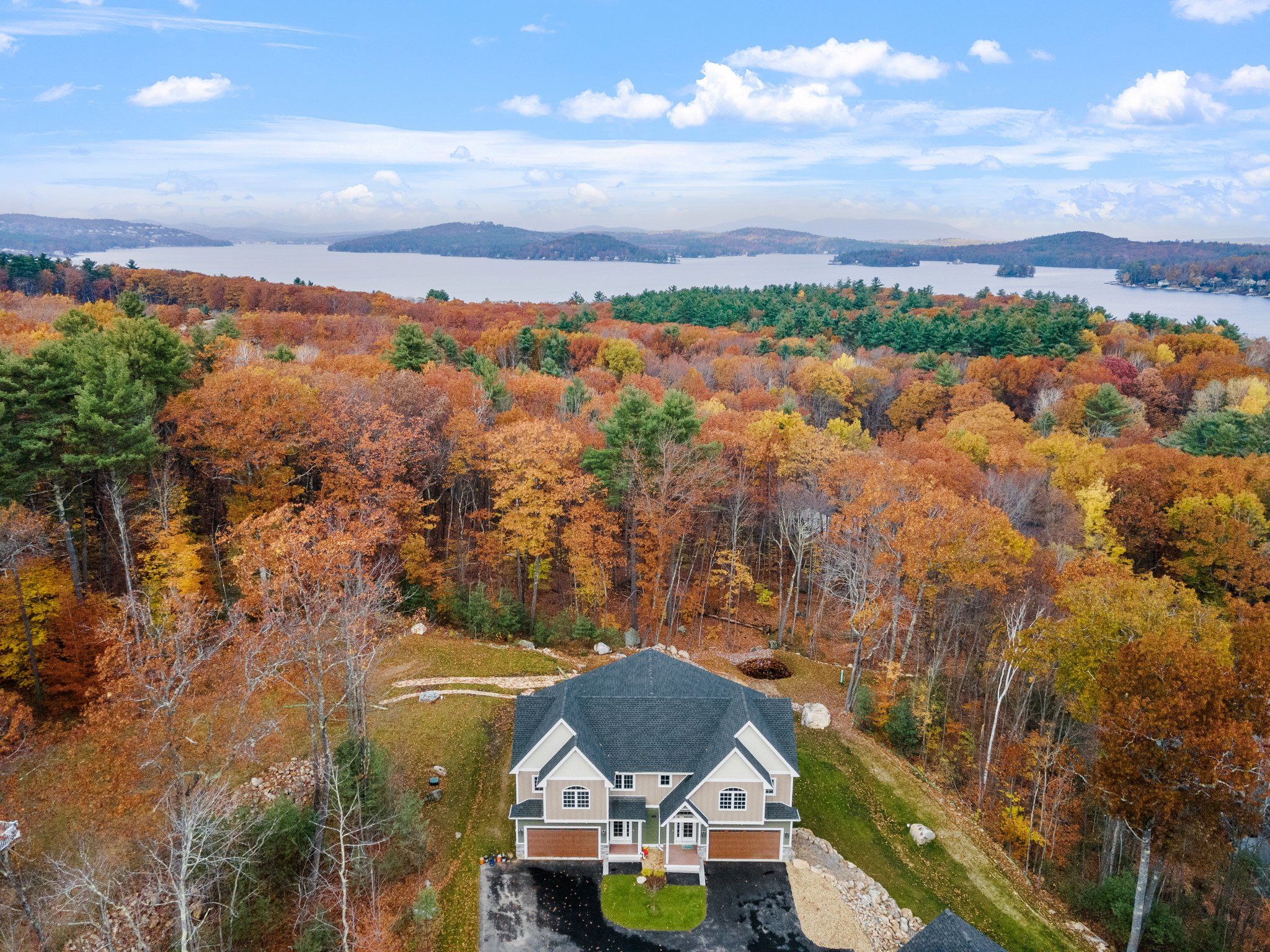
One of the decisions buyers in the Lakes Region increasingly face is whether to pursue a new construction home or an existing property. Both paths have real advantages and real trade-offs. The right answer depends on your priorities, timeline, and what you're willing to manage. Here's an honest breakdown to help you think it through.
The Case for New Construction
The appeal of new construction is straightforward: everything is new, nothing needs to be fixed, and you often get to make choices on finishes, fixtures, and sometimes floor plans that make the home feel like yours from day one. Modern energy efficiency standards also mean lower utility costs and better insulation, which matters in a New Hampshire winter.
From a practical standpoint, new construction typically comes with a builder's warranty, giving you protection against structural issues and mechanical failures in the early years. For buyers who don't want to deal with the uncertainty of an inspection and deferred maintenance, that peace of mind has real value.
The Trade-Offs of Building New
New construction in the Lakes Region comes with its own set of challenges. First, land is limited. The most desirable locations near water, with mountain views, or in established town centers often have little or no room for new development. You may be looking at subdivisions further from the water or on the outskirts of town rather than the neighborhoods you fell in love with.
Timeline is another factor. New builds take time, and supply chain issues have extended timelines in recent years. If you need to be in a home within a few months, new construction is rarely the right path. And while the sticker price may seem competitive, upgrades add up quickly. The gap between a base-model new build and what you'd actually want to live in can be substantial.
The Case for Existing Homes
Existing homes in the Lakes Region come with something new construction almost never can, location. The waterfront camps that have been in families for generations, the in-town Victorians, the homes on established lots with mature trees and proven drainage don't get rebuilt. If location is your primary driver, existing inventory is where you'll find it.
Existing homes also give you a clearer picture of what you're buying. You can see how the home has held up, inspect the mechanicals, talk to neighbors, and understand the micro-neighborhood. With new construction, you're making a significant commitment with less certainty about the finished product and the surrounding community.
The Trade-Offs of Buying Existing
Older homes require more diligence. A thorough inspection is non-negotiable, and it's worth investing in specialty inspections such as septic, well, oil tank, and chimney. Particularly on properties that haven't been recently updated. Deferred maintenance is the norm, not the exception, in a region where many properties have had years of seasonal use. Budget for it.
That said, a well-maintained existing home with a good inspection and fair price is often the most straightforward path to ownership in this market and frequently offers significantly more character and location than anything newly built.
What to Ask Before You Decide
A few questions can help clarify which direction makes sense for you: How important is location relative to condition? Are you comfortable managing a renovation or repair project? Do you have flexibility on timeline? What does your budget look like all-in, including upgrades for new construction or repairs for existing? Talking through these honestly with your agent before you start touring will save you a lot of time.
Legacy Group works with buyers across both new construction and existing home purchases throughout the Lakes Region. Whether you know what you want or you're still figuring it out, we're happy to help you think it through. Give us a call.
or another way